
Yellow Jackets and Hornets
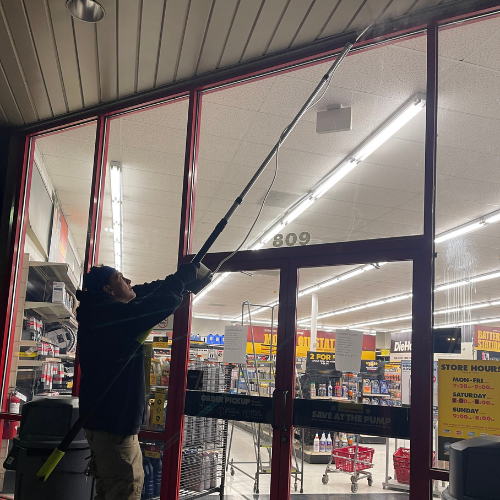
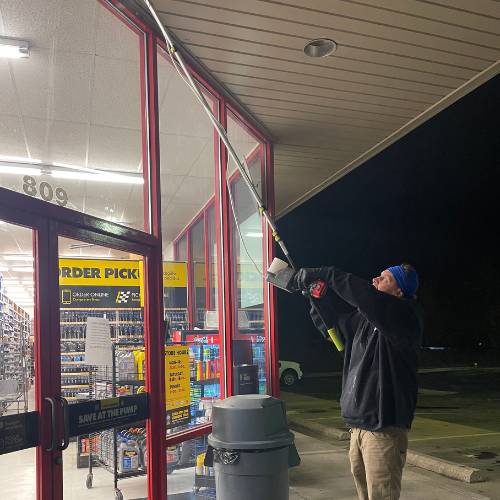
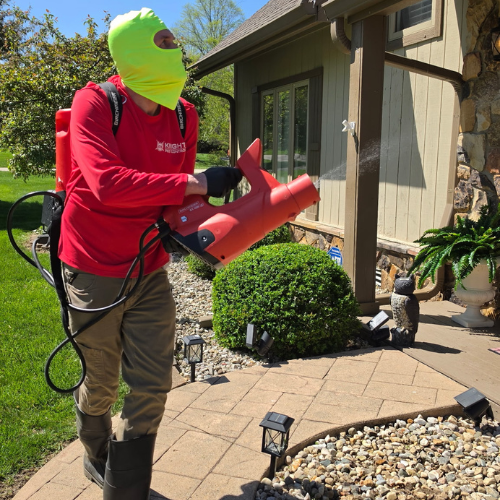
Attempting to remove a yellow jackets or hornet nests yourself is dangerous and often ineffective. Knight Pest Control specializes in safe, effective removal using professional-grade treatments and equipment. Our experienced technicians have the expertise and safety protocols to eliminate nests of any size in accessible locations. We assess each situation carefully, use appropriate protective equipment, and employ treatments that eliminate the colony quickly and completely.
Call Today. We Can Help.
(765) 465-5393What Are Bald Faced Hornets?
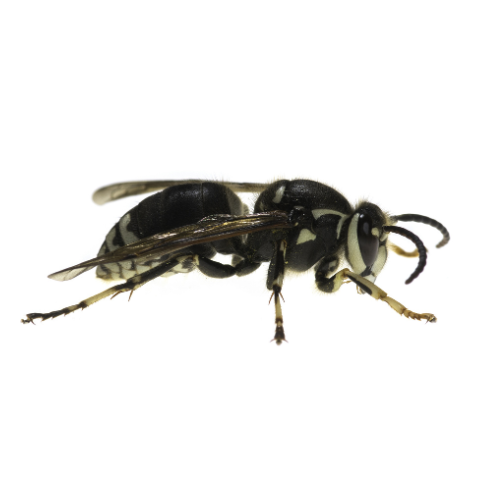
Bald faced hornets are not true hornets—they’re actually a species of wasp (Dolichovespula maculata). These are aggressive, dangerous insects with distinctive black and white markings on their face, thorax, and abdomen. Adults measure about 1.25 inches in length, making them notably larger than most other wasp species. Their size, combined with their highly aggressive defense behavior, makes them a significant threat to anyone near their nesting sites. A bald faced hornet nest near your home or business is a serious safety hazard that demands professional removal.
Rapid Nest Growth & Construction
Bald faced hornets are remarkable builders. Their large, grayish-brown paper nests can grow extremely rapidly—from a tennis-ball sized structure in early spring to the size of a basketball or larger by midsummer. A single nest can expand from a small founding site to 3 feet or more in diameter within a matter of weeks. Unlike yellowjackets that nest in cavities, bald faced hornets construct exposed nests high in trees, under eaves, on building corners, and in other elevated locations. The nest paper is created by chewing weathered wood and mixing it with saliva to form a papery pulp. By late summer and early fall, a mature nest may house 200-400 hornets, with the colony reaching its peak population and most aggressive defensive behavior.
Are They Dangerous?
Yes. Bald faced hornets are highly territorial and aggressive when their nest is threatened. Unlike honeybees, which die after one sting, bald faced hornets can sting repeatedly without injury to themselves. They inject venom that is particularly potent, and multiple stings can cause severe reactions. People allergic to wasp venom may experience anaphylaxis. Additionally, their nests are often located high on structures, and their aggressive defense behavior means they may pursue intruders for considerable distances. A nest located near a residential or commercial property is a significant safety hazard—especially if children, elderly individuals, or pets frequent the area.
When Are They Active?
Bald faced hornets become active in spring (typically April through May in Indiana) as queens emerge and begin nest construction. Activity peaks in summer and early fall. By autumn, nests are fully mature with maximum populations. The colony dies off with the first hard frost, though individual males and foundresses may linger into October. Fall is when most removal requests occur, as the large, mature nests become impossible to ignore.
Professional Removal from Knight Pest Control
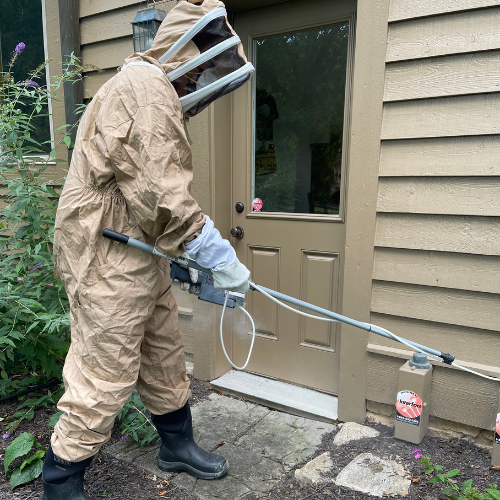
Attempting to remove a bald faced hornet nest yourself is dangerous and often ineffective. Knight Pest Control specializes in safe, effective removal using professional-grade treatments and equipment. Our experienced technicians have the expertise and safety protocols to eliminate nests of any size in accessible locations. We assess each situation carefully, use appropriate protective equipment, and employ treatments that eliminate the colony quickly and completely.
What Are Yellow Jackets?
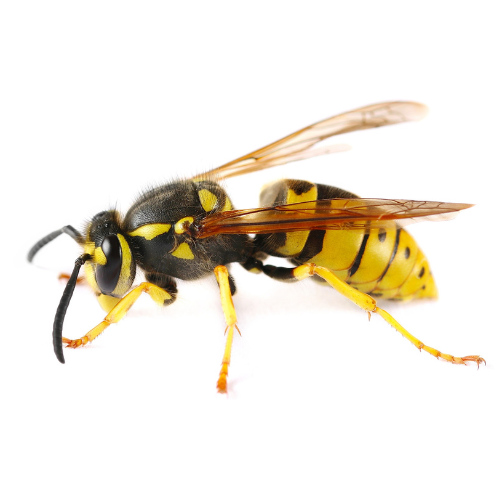
Yellow jackets are wasps belonging to the genus Vespula and Dolichovespula. They are easily recognized by their distinctive bright yellow and black coloring, though the exact pattern varies by species. Yellow jackets are smaller than bald faced hornets, typically measuring about 0.5 to 0.75 inches in length. Unlike honeybees, yellow jackets are aggressive predators and scavengers. They hunt other insects for protein and are particularly attracted to human food sources—especially sugary drinks, fruit, and meat scraps. This makes them problematic around picnics, outdoor dining areas, and trash receptacles. In the fall, their behavior becomes increasingly aggressive as they compete for dwindling food sources.
Nesting Behavior & Colony Structure
Yellow jackets nest in a variety of locations, making them particularly challenging to manage. Some species build paper nests in trees (similar to bald faced hornets but smaller), while others prefer cavities in structures—inside walls, attics, ground burrows, or hollow trees. A mature yellow jacket nest may contain 200 to 1,000+ wasps, depending on species and nesting location. Colonies establish themselves in spring and grow throughout the summer. Critically, yellow jacket colonies are often hidden in wall cavities or underground, making them difficult to locate and eliminate without professional expertise. Unlike honeybees, yellow jacket colonies do not survive winter; the colony dies in fall, but fertilized queens overwinter and emerge in spring to establish new colonies.
Why Yellow Jackets Are Dangerous
Yellow jackets are among the most aggressive wasp species. They will sting unprovoked, especially in late summer and fall. Like bald faced hornets, yellow jackets can sting multiple times without dying. Their smaller size means they can access areas where larger insects cannot, increasing the risk of accidental contact. People with allergies to wasp venom face serious danger from yellow jacket stings. Additionally, their attraction to human food and sugary drinks makes encounters in outdoor spaces almost inevitable during warm months. A single sting is painful; multiple stings from a disturbed nest can be life-threatening.
Seasonal Activity & Peak Aggression
Yellow jackets emerge in spring and establish nests by early summer. Population growth accelerates through July and August. Fall (September-October) is when yellow jacket problems peak: colonies are at maximum size, food becomes scarce in nature, and the insects become desperately aggressive around human food sources. This is also when stinging incidents spike. The first hard freeze kills off the colony, though queens survive in protected locations. Early spring removal is ideal, but fall removal is often more urgent due to increased aggression and risk.
Professional Control & Elimination
Locating and eliminating yellow jacket nests requires professional expertise. Hidden cavity nests can be especially challenging, as access points may require structural assessment and careful treatment placement. Ground nests need specialized equipment and techniques. At Knight Pest Control, we use proven methods to locate nests, eliminate colonies safely, and prevent re-establishment. Our approach depends on nest location and colony size—we may use dust formulations, liquid treatments, traps, or combination strategies. We also provide recommendations to reduce attractants and prevent future infestations.
PREVENTION TIP:
While professional removal is necessary for established colonies, homeowners can reduce yellow jacket problems by: securing garbage cans with tight-fitting lids, cleaning up food and drink spills promptly, covering outdoor food and beverages, removing standing water, sealing cracks and crevices in building structures, and maintaining screens on windows and doors. Yellow jacket traps can help with monitoring but are not sufficient for nest elimination.


Why Choose Knight Pest Control